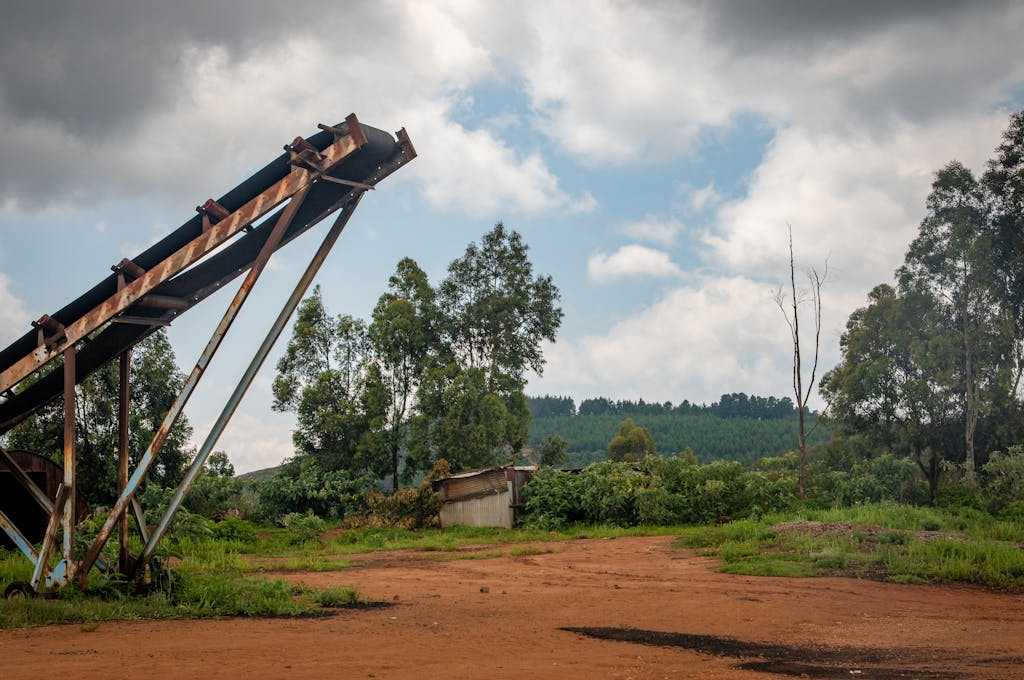
Conveyor Belt Installation Sequence: 6 Parts Setup and Maintenance Tips
- Part One: Basic Structure of a Belt Conveyor
- Part Two: Installation Sequence of Belt Conveyors
- Part Three: Technical Requirements for the Installation of Belt Conveyors
- 1.Requirements for the Installation of Conveyor Belts
- 2.Installation Requirements for the Drive Unit
- 3.Installation requirements for idlers and the frame
- 4.Installation requirements for the tensioning device
- 5.Installation requirements for protective devices
- 6.Installation of multiple belt conveyors in a staggered configuration
- Part 4: Maintenance of Belt Conveyors
- Conclusion: Installation is the foundation; maintenance is the safeguard
Introduction: What is a Belt Conveyor?
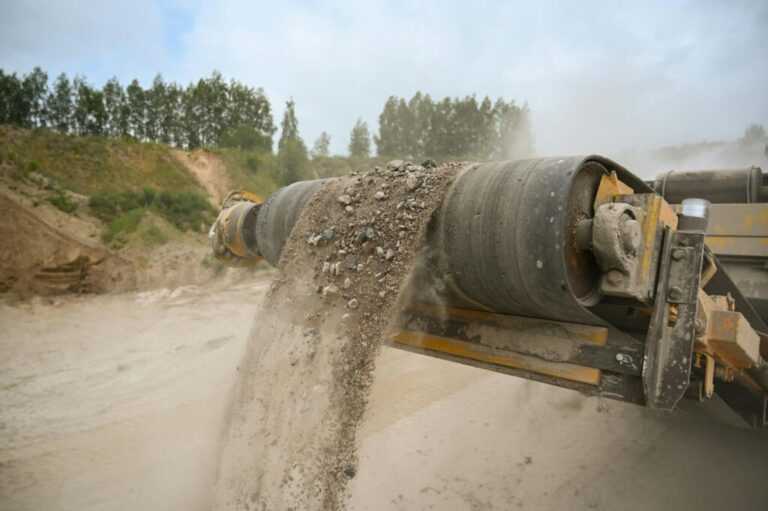
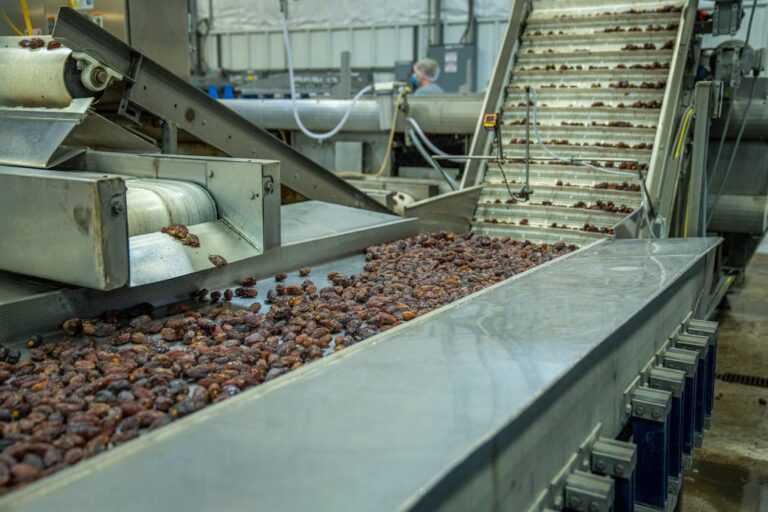
A belt conveyor is a piece of equipment characterised by its simple structure and high transport capacity, and is widely used in industrial sectors such as mining and metallurgy. To ensure that a belt conveyor operates more stably and reliably, the key lies in proper installation and routine maintenance. Below, we will provide a step-by-step guide, in simple and easy-to-understand language, covering the structure of a belt conveyor, the installation sequence, installation requirements, and maintenance methods.
Part One: Basic Structure of a Belt Conveyor
Structural Components
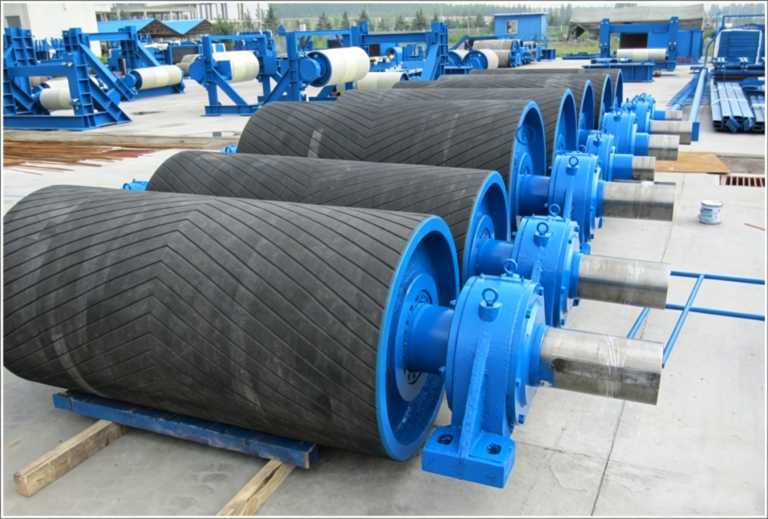
Common belt conveyors primarily consist of the following parts: drive unit, drums, tensioning device, braking device, conveyor belt and idler rollers.
Details of the Drive Unit
The drive unit comprises the drive drum, gearbox, motor and brake. In terms of external configuration, gearboxes are mainly classified into two types: right-angle and parallel-shaft.
Part Two: Installation Sequence of Belt Conveyors
Standard Installation Procedure
The following are the standard steps for installing a belt conveyor (to be carried out in sequence):
Surveying and Marking → Foundation Inspection → Transport of Head End Equipment → Transport of Tensioning Device → Transport of Intermediate Frames → Transport of Tail End → Alignment and Installation of Head End Equipment → Alignment and Installation of Tensioning Device → Installation of Intermediate Frames → Installation of Tail End → Unrolling and Vulcanisation of Conveyor Belt → Single-unit Trial Run → Commissioning.
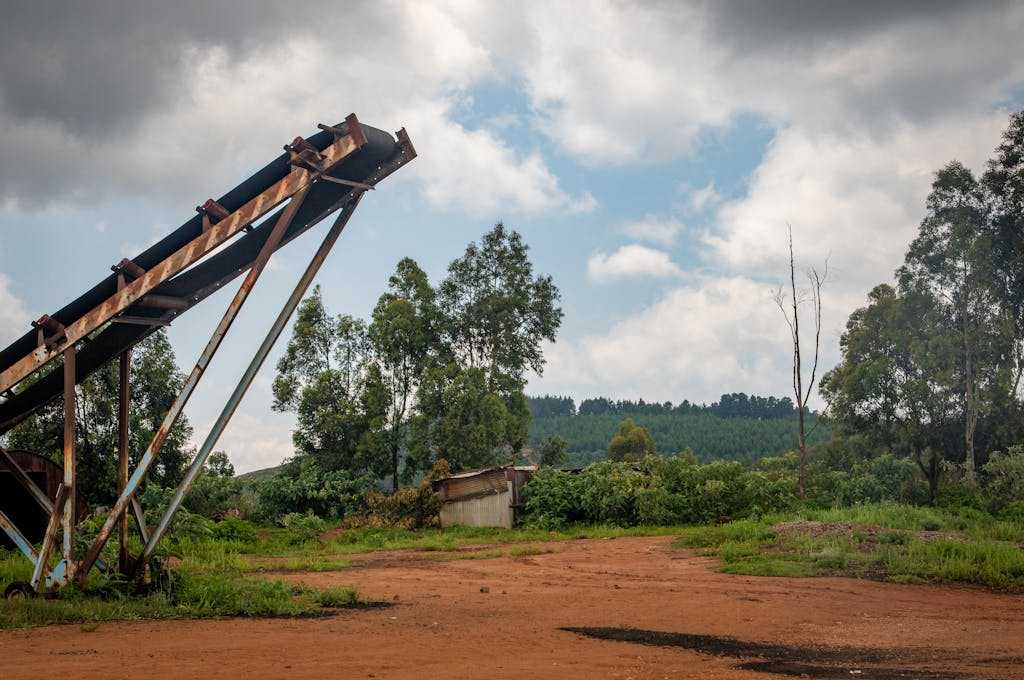
Part Three: Technical Requirements for the Installation of Belt Conveyors
1.Requirements for the Installation of Conveyor Belts
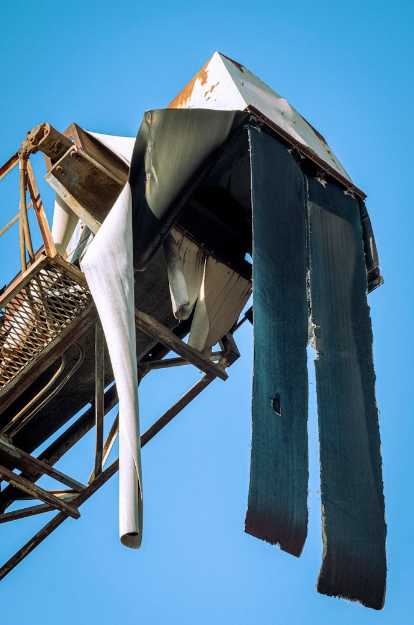
The conveyor belt is the main component of a belt conveyor, running the entire length of the equipment. Minimising belt failures can effectively extend the service life of the belt conveyor and reduce operating costs.
When installing the conveyor belt, the following points must be observed:
The joints must be flat, free from delamination or air bubbles, firmly bonded and with a smooth surface.
The deviation between the centre lines of the two sections of the conveyor belt must not exceed 3 millimetres.
During operation of the belt conveyor, the conveyor belt must not slip or run off-centre. Even if it does run off-centre, the deviation must not exceed 5% of the conveyor belt’s width.
2.Installation Requirements for the Drive Unit
The drive unit provides the traction necessary for the normal operation of the belt conveyor and is the core of the entire system.
The following points must be observed during installation:
The centreline of the belt conveyor must be perpendicular to the axis of the drive drum and aligned with the centreline of the drive drum’s width.
The levelness error of the drive drum and return drum must not exceed 0.3‰.
The deviation between the centrelines of the drive drum and return drum’s width and the longitudinal centreline of the belt conveyor must not exceed 2 mm.
The deviation between the centre lines of the drive and return drums and the longitudinal centre line of the belt conveyor must not exceed 2‰ of the drum width.
When commissioning the drive unit, the following must be checked:
The motor must not produce any abnormal noises, overheat or vibrate.
The gearbox must not produce any abnormal noises or vibrations during operation; the surface temperature of the housing must be normal; the gears must not show excessive wear; and the bolts must not be loose.
The brake and backstop must not produce any abnormal noises or overheat; all rotating pins must not be jammed or show abnormal wear.
3.Installation requirements for idlers and the frame
Idlers are mounted on the frame to support the conveyor belt and prevent excessive sagging.
Installation requirements:
Idlers must rotate freely.
Idlers must be perpendicular to the centreline of the belt conveyor.
Idlers must not produce abnormal noises or become jammed.
The deviation between the frame centreline and the longitudinal centreline of the belt conveyor must not exceed 3 millimetres.
The height difference between corresponding points on the channel steel on both sides of the frame must not exceed 3 millimetres.
4.Installation requirements for the tensioning device
The function of the tensioning device is to compensate for deformation caused by the elongation of the conveyor belt during use, ensuring the belt has sufficient tension to prevent slippage.
Points to note during installation:
The steel wire rope of the tensioning device must not be rusted or have broken strands.
The conveyor belt must not be slack.
Where possible, install the tensioning device on the return section near the drive drum; this helps prevent slippage during start-up and braking.
Where possible, install it at the point where the belt tension is lowest; this reduces the required tensioning force.
5.Installation requirements for protective devices
Anti-slip protection device: Installed on the return section of the belt conveyor. For stationary belt conveyors, the anti-slip protection device is installed between the head discharge roller and the drive roller.
Stockpile protection device: Installed at the junction where two belt conveyors meet. The protective contact should be positioned in front of the discharge roller, and the mounting height must not exceed the lower edge of the discharge roller.
Drift protection devices: These must be installed in pairs, with one set at the head and one at the tail. They are secured to the conveyor frame using specialised brackets.
Temperature sensors: These are installed near the drive drum of the belt conveyor. The temperature probe must be positioned in close contact with the outer surface of the drive drum.
6.Installation of multiple belt conveyors in a staggered configuration
When multiple belt conveyors are used in a staggered configuration, material falls from the unloading point of the preceding conveyor onto the receiving point of the subsequent one. During installation, the height difference between the unloading drum of the preceding conveyor and the subsequent belt conveyor should be maintained at approximately 1 metre. This ensures that the material falls smoothly without generating excessive impact force.
Part 4: Maintenance of Belt Conveyors
Keep the work area clean
The work area around the belt conveyor must be kept clean to ensure adequate heat dissipation for components such as the motor, hydraulic coupling and gearbox.
Avoid frequent starts
During operation of the belt conveyor, avoid starting the equipment frequently where possible.
Pre-operation checks
Before starting work, carefully check the following:
Whether the hydraulic coupling is leaking oil
Whether the steel wire rope is slack
Whether the conveyor belt is misaligned
Preventing Material Damage to the Conveyor Belt
Do not load large pieces of material directly onto the conveyor belt, as this may cause damage.
Benefits of Regular Maintenance
Regular maintenance of the belt conveyor can extend the service life of the equipment and reduce the failure rate.
Specific Maintenance Tasks
Ensure that the idler roller seals are filled with grease and that the idler rollers rotate smoothly.
Gearboxes, hydraulic couplings and other components must not leak oil.
Regularly check that all fastenings are secure and reliable.
Regularly inspect the conveyor belt joints; repair or replace any cracks immediately.
Conclusion: Installation is the foundation; maintenance is the safeguard
Proper initial installation is the foundation for the stable operation of a belt conveyor. Installation technical requirements must be strictly adhered to, eliminating potential hazards at source. Routine maintenance, meanwhile, is the safeguard for the long-term, stable operation of the belt conveyor. Therefore, it is essential to strictly enforce maintenance procedures and enhance the technical skills of maintenance personnel in order to effectively prevent belt conveyor failures.