
How to Select the Right Conveyor Belt for Your Needs
What is a Conveyor Belt?
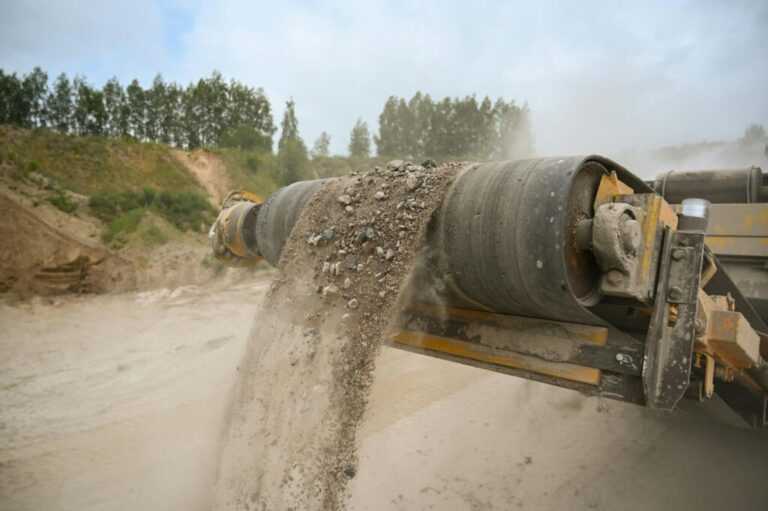
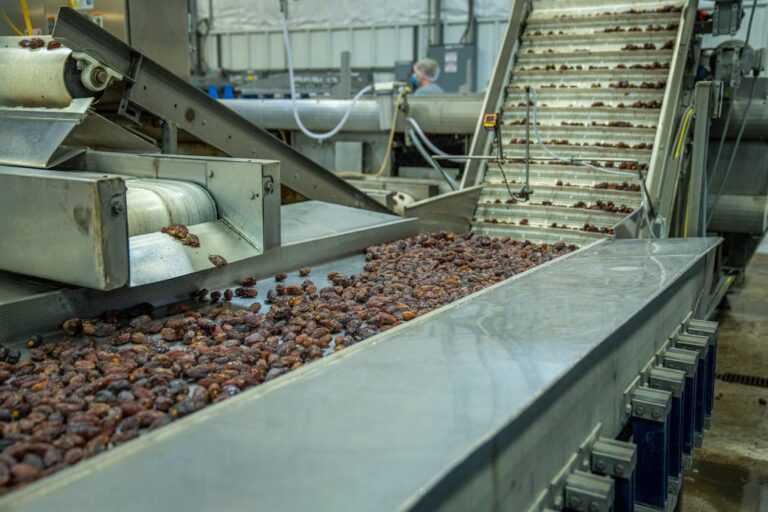
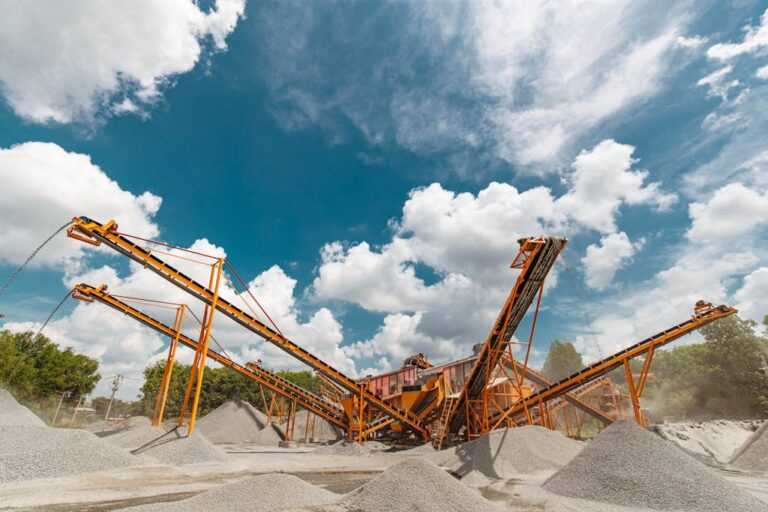
Conveyor belts are a vital component of belt conveyor systems. Their function is to carry materials and transport them to a designated location. The width and length of a conveyor belt depend on the original design of the belt conveyor and the on-site layout. Selecting the appropriate conveyor belt is crucial to ensuring the efficient and stable operation of the entire conveying system.
Part 1: Classification of Conveyor Belts
Two Main Categories of Conveyor Belt Materials
Common conveyor belt materials can be divided into two main categories.
Category 1: Steel Cord Conveyor Belts
The materials used in this type of conveyor belt include steel cord cores. Its main advantages are high load-bearing capacity and excellent physical and mechanical properties. Consequently, this type of conveyor belt is capable of meeting high-speed transport requirements whilst handling large volumes.
Category 2: Nylon, Cotton and Rubber Conveyor Belts
The materials used in this category include nylon, cotton and rubber. Compared to steel cord conveyor belts, these belts have slightly lower conveying capacity and speed.
Part 2: How to Select the Right Conveyor Belt
Factors to Consider When Selecting a Conveyor Belt
When selecting a conveyor belt for a belt conveyor, the decision should be based on the following factors.
Conveyor length
Conveyance capacity
Conveyor belt tension
Characteristics of the material being conveyed
Method of material loading onto the conveyor belt
Operating environmental conditions
Recommendations for conveyor belt selection under different conditions
When selecting a conveyor belt, the following guidelines should be followed:
Short-distance conveyors: Polyester fabric-cord conveyor belts are suitable.
Conveyors with high throughput, long distances, significant elevation, and high tension: Steel-cord conveyor belts are suitable.
Situations involving large-sized materials and significant drop heights: If the material being conveyed contains large chunks and there is a significant height difference at the drop point, impact-resistant and tear-resistant conveyor belts should be selected.
Limit on the number of layers for multi-ply fabric-cord conveyor belts: The maximum number of fabric plies for multi-ply fabric-cord conveyor belts should not exceed six. If the material being conveyed has specific requirements regarding belt thickness, the number of plies may be increased appropriately.
Flame-retardant belts are mandatory for underground use: For belt conveyors used in underground mines, flame-retardant conveyor belts must be selected.

Part 3: Conveyor Belt Joints
Selection of Joint Types
The type of conveyor belt joint should be selected based on the type of conveyor belt and the characteristics of the belt conveyor.
Steel cord core conveyor belts: Vulcanised joints must be used.
Layered fabric core conveyor belts: Vulcanised joints are suitable.
Solid core conveyor belts: Adhesive joints are suitable; mechanical joints may also be used.
Specific Types of Vulcanised Joints
The types of vulcanised joints for conveyor belts are as follows:
Layered fabric-cord conveyor belts: Step joints are suitable.
Steel-cord conveyor belts: Single-stage or multi-stage vulcanised joints may be used, depending on the tensile strength grade.
Part 4: Safety Factor of Conveyor Belts
Selection of Safety Factor under Different Conditions
The safety factor of the conveyor belt should be selected according to the specific operating conditions.
General belt conveyors: The safety factor for steel-cord conveyor belts can be selected as 7 to 9.
Conveyors with soft start and soft braking measures: If the conveyor is equipped with controlled soft start and soft braking measures, the safety factor can be selected as 5 to 7.

Part 5: How to Select Belt Width and Belt Speed
1.Selection of Belt Width
The Relationship Between Belt Width and Conveying Capacity
Generally speaking, at a given belt speed, the conveying capacity of a belt conveyor increases as the belt width increases.
The belt must be sufficiently wide
The conveyor belt must be of sufficient width to ensure that large pieces within the mixture of lumpy and powdery materials being conveyed do not become trapped near the edges of the belt.
Requirements for the Feed Chute
Furthermore, the internal dimensions of the feed chute and the distance between the guide chutes must be sufficient to allow materials of various particle sizes to pass through smoothly without causing blockages.
2.Selecting Conveyor Speed
Conveyor Speed is Influenced by Multiple Factors
The appropriate conveyor speed primarily depends on the characteristics of the material being conveyed, the required conveying capacity, and the tension of the conveyor belt.
Factors affecting belt speed selection
When selecting the belt speed, the following factors must be considered:
Impact of belt width: The narrower the conveyor belt, the less stable it is at high speeds, and the greater the likelihood of material spillage.
Impact of conveyor type: Fixed conveyors are generally of higher build quality and can operate at higher belt speeds. Semi-fixed and mobile conveyors should operate at lower speeds.
Impact of conveying angle: Higher speeds are permissible for horizontal or near-horizontal conveying. As the incline increases, the material is more prone to rolling or slipping, so a lower speed should be selected.
Downhill conveyors: For downhill belt conveyors installed at an incline, the speed should be lower. This is because, during downhill conveying, the material is more likely to roll and slip on the conveyor belt.
Impact of conveying capacity: The higher the tonnage-kilometre value of the conveying capacity, the greater the required belt strength. To reduce the strength requirements of the conveyor belt, a higher speed may be selected.
Impact of wear and impact: The bending of the conveyor belt around the drums, loading impacts and material impacts all cause wear to the conveyor belt. Therefore, it is best to reduce the speed on short-distance conveyors. However, to reduce belt tension, long-distance conveyors often operate at high speeds.
Recommendations for belt speed selection based on material characteristics:
Materials with low abrasiveness and small particles (e.g. coal, grain, sand, etc.): Higher speeds are suitable, generally between 2 and 4 metres per second.
Materials with high abrasiveness, large lumps, or those susceptible to breakage (e.g. lump coal, large ore chunks, coke, etc.): Lower speeds are suitable, generally between 1.25 and 2 metres per second.
Powdery materials or materials prone to generating dust: To prevent dust dispersion, lower speeds are recommended, generally not exceeding 1.0 m/s.
Piece goods, materials prone to rolling, or locations with high hygiene requirements: Lower speeds are recommended, generally not exceeding 1.25 m/s.
Recommendations for belt speed selection based on conveyor layout and unloading method
Long-distance and horizontal conveyors: Higher belt speeds may be selected.
Conveyors with steep inclines or short distances: Belt speed should be reduced appropriately.
When unloading using a discharge car: As the actual angle of inclination where the conveyor belt enters the discharge car is steep, the belt speed should not be too high, generally not exceeding 3.15 metres per second.
When using a plough-type unloader: due to additional resistance and wear, the belt speed should not exceed 2.8 metres per second.
Downhill conveyors with a steep incline: the belt speed should not exceed 3.15 metres per second.
Conclusion: The Importance of the Conveyor Belt
The conveyor belt is the primary component of a belt conveyor. It serves both as the structure that carries the material and as the component that drives the conveyor’s operation. Within the entire conveyor system, the cost of the conveyor belt accounts for 30% to 50% of the total equipment cost. Therefore, when selecting a conveyor belt, particular attention must be paid to the choice of material, belt speed and belt width. Only by selecting the correct conveyor belt can the efficient and stable operation of the conveyor be guaranteed.