Incline Belt Conveyor Selection & Material Spillage Solutions
How to Prevent Belt Slippage on Inclined Conveyors
Introduction: Belt Slippage on Slopes
When transporting materials on an inclined conveyor, belt slippage and material rollback can be a serious problem. In many cases, the issue is caused by selecting the wrong belt type for the application.
This article explains how to choose the right belt for inclined conveyors and prevent slippage.
Part 1: What Is an Inclined Conveyor?
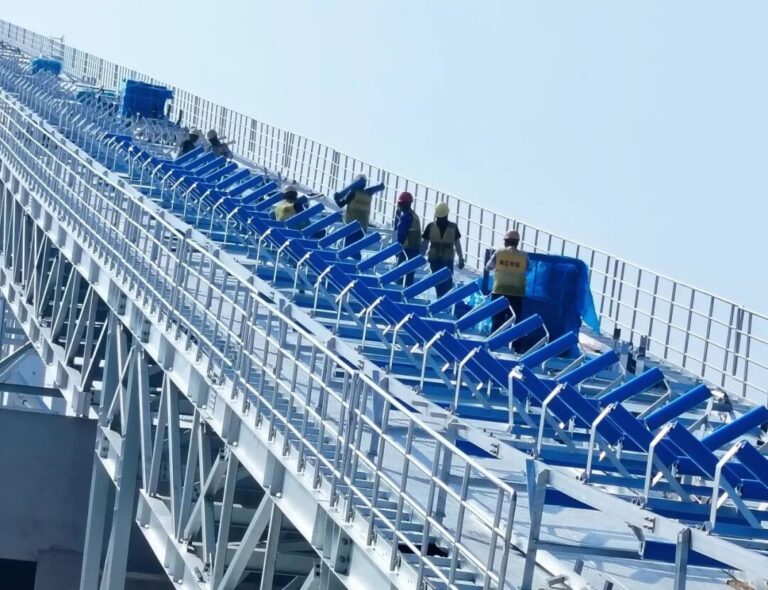
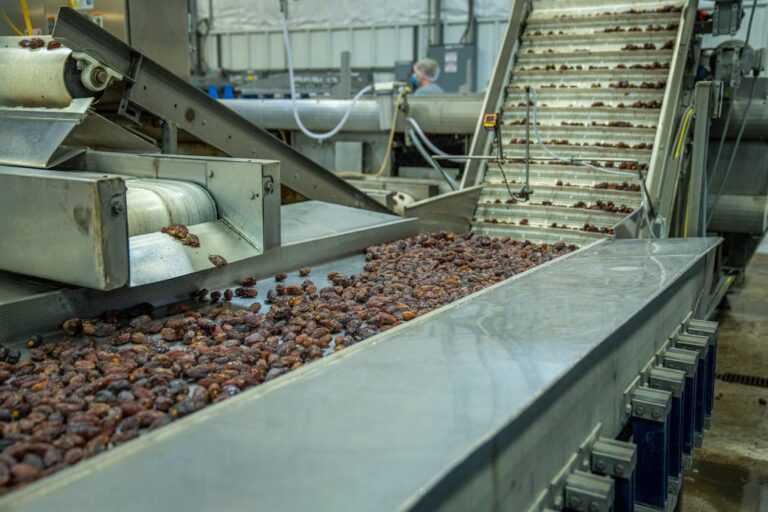
An inclined conveyor is a type of belt conveyor used to transport materials continuously between different floor levels or heights. It is commonly used in warehouses, factories, and processing plants where materials need to be moved up or down.
Part 2: Key Features of Inclined Conveyors
| Feature | Benefit |
|---|---|
| Smooth operation | Minimal material damage |
| Simple structure | Easy to maintain |
| Low energy consumption | Lower operating cost |
| Reduced labor | Less manual handling required |
Part 3: Choosing the Right Belt for Different Angles
3.1 Inclination Angle > 13°
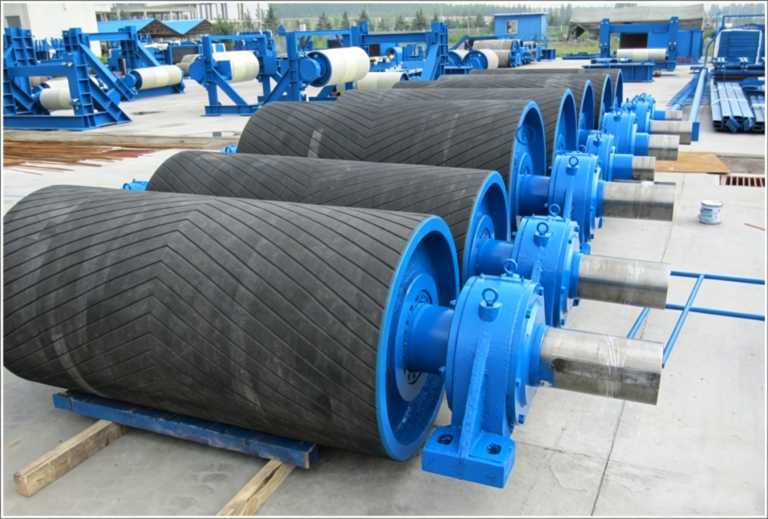
When the conveyor angle exceeds 13 degrees, standard flat belts may not provide enough grip. If the material has sufficient friction against the belt surface, a chevron (herringbone) belt or corrugated belt can be used.
Common options include:
- Herringbone pattern (V-shaped tread)
- Corrugated pattern
- Custom tread designs available upon request
These belts have raised patterns on the surface to increase friction and prevent material from sliding backward.
3.2 Inclination Angle > 22°
When the angle exceeds 22 degrees, standard chevron belts may no longer be effective. For steeper inclines, a steep-angle conveyor belt is recommended.
Additional features for steep-angle belts:
- Cleats (cross barriers) to hold material in place
- Sidewalls (corrugated edges) to prevent spillage
These belts are designed to handle materials on inclines up to 45 degrees or more, depending on the material type.
| Angle Range | Recommended Belt Type |
|---|---|
| 0° – 13° | Standard flat belt |
| 13° – 22° | Chevron/herringbone belt |
| 22° – 45° | Steep-angle belt with cleats and sidewalls |
Part 4: How to Choose the Right Belt
When selecting a belt for an inclined conveyor, consider the following factors:
- Material type: Is it fine powder, granular, or lumpy?
- Material flowability: Does it slide easily or stay in place?
- Conveyor angle: How steep is the incline?
- Required capacity: How much material needs to be moved?
If you are unsure which belt is right for your application, consult a qualified conveyor specialist.
Part 5: Need Help?
Selecting the correct belt for an inclined conveyor is critical for reliable operation. If you have questions or need assistance, feel free to leave a message or contact our technical support team.
Data Sources
- Conveyor Equipment Manufacturers Association (CEMA) standards
- Industry best practices for inclined conveyor belting
- Haihui internal product documentation and field service records
 English
 العربية
 Português do Brasil
 Русский
 Español