Conveyor Belt Damage: Common Causes and Proven Repair Methods
- Common Conveyor Belt Damage and Prevention Methods
- Part 1: Causes of Longitudinal Tears in Conveyor Belts
- Part 2: Causes of Conveyor Belt Cracking
- Part 3: Causes of Tears in Vulcanized Conveyor Belt Joints
- Cause 1: Too Small a Diameter of the Idler Drum
- Cause 2: Poor Quality of the Vulcanized Joint
- Cause 3: Specific Issues with Reversible Conveyors
- Cause 4: Frequent Start-ups
- Part 4: Causes of Damage to the Conveyor Belt Cover
- Cause 1: Improper Clearance Between the Chute Liner and the Belt
- Cause 2: Mismatched Material Flow Velocity
- Cause 3: Damaged Idler Rollers
- Cause 4: Improper Maintenance Operations
- Cause 5: Conveyor Belt Slippage
- Part 5: Repair Methods for Localised Damage
- Part 6: Repair Method for Longitudinal Tears
- Part 7: Precautions for Repair Operations
- Proper Maintenance of Conveyor Belts to Reduce Damage
Common Conveyor Belt Damage and Prevention Methods
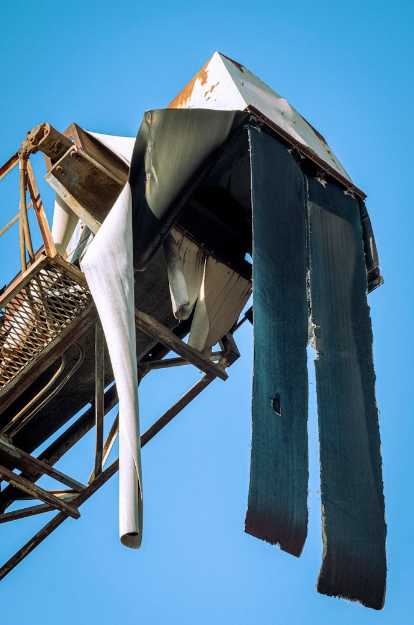
During long-term use, conveyor belts are inevitably prone to various types of damage, such as longitudinal tears, surface cracking, and belt surface damage. These are all considered routine forms of conveyor belt damage. Whenever these issues arise, they can be a major headache. If the damage is minor, cold vulcanization repairs can be performed; if the damage is severe, the conveyor belt must be replaced or hot vulcanization splicing must be performed. This not only causes inconvenience but, more importantly, results in unnecessary economic losses for the company. So, how can these situations be prevented? Below, we provide a detailed introduction to the causes of various conveyor belt damages and their repair methods.
Part 1: Causes of Longitudinal Tears in Conveyor Belts
Cause 1: Vibration and Impact Leading to Component Detachment
Vibration and impact can cause fasteners to loosen and fall off, leading to the detachment of components such as coal chute liners and guide plates, which can then scratch or tear the conveyor belt.
Cause 2: Foreign Objects Mixed in the Material
If hard, sharp foreign objects are mixed in the material, or if the coal chute becomes blocked, this can cause the conveyor belt to be crushed or torn.
Cause 3: Damaged Idlers
If idlers are missing or damaged, the idler frame comes into direct contact with the conveyor belt, causing scratches or even tears.
Cause 4: Severe Belt Misalignment
When the conveyor belt becomes severely misaligned, it may get caught on the frame, resulting in tears.
Cause 5: Scraper Entangled in the Drum
If the bolts on the return scraper are loose, the scraper may become entangled in the drum, causing damage to the conveyor belt.
Part 2: Causes of Conveyor Belt Cracking
Cause 1: Excessive Bending
Due to spatial constraints at the site, the conveyor belt undergoes frequent bending during operation, which can easily lead to surface cracking.
Cause 2: Multiple Vulcanizations
If, for various reasons, a joint undergoes two or more vulcanization processes, the conveyor belt is prone to cracking in that area.
Part 3: Causes of Tears in Vulcanized Conveyor Belt Joints
Cause 1: Too Small a Diameter of the Idler Drum
If the diameter of the idler drum is too small, the conveyor belt will be subjected to excessive bending stress, making it prone to tearing at the joint.
Cause 2: Poor Quality of the Vulcanized Joint
Poor-quality vulcanized joints—particularly those that have undergone two or more vulcanization cycles—experience a significant reduction in strength. Additionally, if the fabric layers are cut or excessively sanded during bonding, the strength at that location will also decrease.
Cause 3: Specific Issues with Reversible Conveyors
For reversible conveyor belts, since the upper and lower layers can only overlap in one direction, the joint is prone to being scraped by sharp edges on equipment such as scrapers and unloaders.
Cause 4: Frequent Start-ups
Short operating cycles and frequent start-ups result in high instantaneous tension, which can easily cause the splices to tear.
Part 4: Causes of Damage to the Conveyor Belt Cover
Cause 1: Improper Clearance Between the Chute Liner and the Belt
Improper clearance between the chute liner and the conveyor belt can cause abnormal wear; alternatively, foreign objects lodged in the gap can cause wear or scratches.
Cause 2: Mismatched Material Flow Velocity
If the flow velocity of material at the chute does not match the conveyor belt speed, or if there is a significant drop in elevation, it will accelerate wear on the rubber surface.
Cause 3: Damaged Idler Rollers
Damaged idler rollers come into direct contact with the conveyor belt, causing abnormal wear or scratches.
Cause 4: Improper Maintenance Operations
Improper maintenance practices, such as welding spatter burning the conveyor belt during repairs, or improper installation of scrapers causing scratches.
Cause 5: Conveyor Belt Slippage
Conveyor belt slippage can also cause abnormal wear on the belt.
Part 5: Repair Methods for Localised Damage
Step 1: Sanding the Damaged Area
First, mark the outline of the damaged area on the conveyor belt (this should be slightly larger than the actual damaged section). Then, using a professional angle grinder fitted with a medium-hardness tungsten carbide grinding disc, sand the damaged area. Continue sanding until the surface of the damaged area has a slight curve and is free of any protrusions.
Step 2: Applying Adhesive
Clean the sanded surface thoroughly, then apply the adhesive. Wait until the adhesive has dried to the point where it is slightly tacky but does not stick to the back of your finger. If the rubber damage at the tear site is extensive, it should be filled first.
Step 3: Applying the Patch
Apply the patch to the tear site on the conveyor belt, taking care to avoid trapping air during the process. Then use a pressure roller to roll the patch from the inside out, compacting it and expelling any air bubbles.
Part 6: Repair Method for Longitudinal Tears
Hazards of Longitudinal Tears
Longitudinal tears are a common and serious form of damage to conveyor belts. In severe cases, the entire conveyor belt may be completely severed. Without effective reinforcement materials, the conveyor belt operates under conditions of uneven local tensile stress, which can easily lead to the damage spreading.
Disadvantages of Traditional Repair Methods
Traditional hot vulcanisation repairs require the use of large vulcanising machines, which are highly inconvenient to operate, costly and inefficient. Meanwhile, repairs using conventional adhesives are only temporarily effective and cannot resolve penetrating damage.
Repair Strips: A New Repair Material
Repair strips are a new type of material designed to repair wear, tears and punctures in conveyor belts. In recent years, repair strips have become the primary method for conveyor belt repairs.
Advantages of Repair Strips
Repair strips contain a semi-vulcanised layer, offering high bonding strength with the conveyor belt and high tensile strength. They offer the advantages of rapid repair, simple operation, time savings, and immediate usability following repair.
Applications of Repair Strips
Repair strips are suitable for repairing long-distance scratches, through-cuts and edge wear on conveyor belts, as well as localised damage to the rubber layer and sealing cold, seamless splices. Repair strips are available in reinforced and non-reinforced types.
Part 7: Precautions for Repair Operations
Precaution 1: Disconnect the power supply
The power supply must be disconnected during operation to prevent accidents caused by mechanical rotation. If the conveyor belt needs to be moved, the reducer’s drive wheel may be turned manually.
Precaution 2: Fire Prevention and Ventilation
The adhesive contains organic solvents; it is low-toxicity but flammable. When using it, ensure fire safety measures are in place at the workplace and maintain good ventilation; remember that no open flames are permitted. If curing is required, maintain a distance of at least 50 centimetres.
Precaution 3: Avoid Contact with Moisture
The adhesive must not come into contact with water; it must be kept completely dry, otherwise the degree of curing and the bond strength will be affected. Do not carry out bonding work in environments where the temperature is below -40°C or the humidity exceeds 80%.
Proper Maintenance of Conveyor Belts to Reduce Damage
Conveyor belts are the core components of belt conveyors, and their operational condition directly affects the production efficiency of the entire system. By understanding the various causes of longitudinal tears, cracking, joint tears and damage to the cover rubber, we can take targeted preventive measures. When damage is unavoidable, mastering the correct methods for repairing localised damage and longitudinal tears can effectively extend the service life of the conveyor belt and minimise financial losses for the enterprise. We hope this easy-to-understand guide will help you better maintain and manage your conveyor belts, ensuring your material handling system operates more reliably, efficiently and safely.