What Are the Common Types of Idlers for Belt Conveyor
The Role of Idlers in Belt Conveyors
There are many types of idlers, and they are used in large numbers. Idlers are a vital component of belt conveyors. Their performance directly affects the quality and operational efficiency of the belt conveyor. Idlers account for 35% of the total cost of a belt conveyor. Their function is to provide stable support for the continuous conveyance of materials. Therefore, the quality of idlers is of paramount importance.
Part One: Features of the Idlers Manufactured by Our Company
Advantages of High-Performance Idlers
As a specialist manufacturer of idlers, the idlers produced by our company offer the following advantages: low friction, energy efficiency and high precision. These idlers enable high-speed, high-capacity and long-distance transport. At the same time, they significantly reduce the operating costs of belt conveyors and minimise wear on the conveyor belt.
Strict Production Standards
Our idlers are manufactured in accordance with the MT821 and MTTS standards. We utilise the following high-quality materials and components:
Specialised steel tubes for idlers
High-quality carbon structural steel stamped bearing housings
Specialised bearings for the KA series idlers
Cold-drawn round steel shafts
New-generation seals
Lithium-based grease
The combination of these materials and components ensures that the idlers have a service life exceeding 30,000 hours.
Part Two: Idler Roller Standards
Our company strictly adheres to idler roller production standards to ensure that every batch of products meets quality requirements. Please refer to the relevant technical documents for specific standard details
Part Three: Classification of Idler Rollers
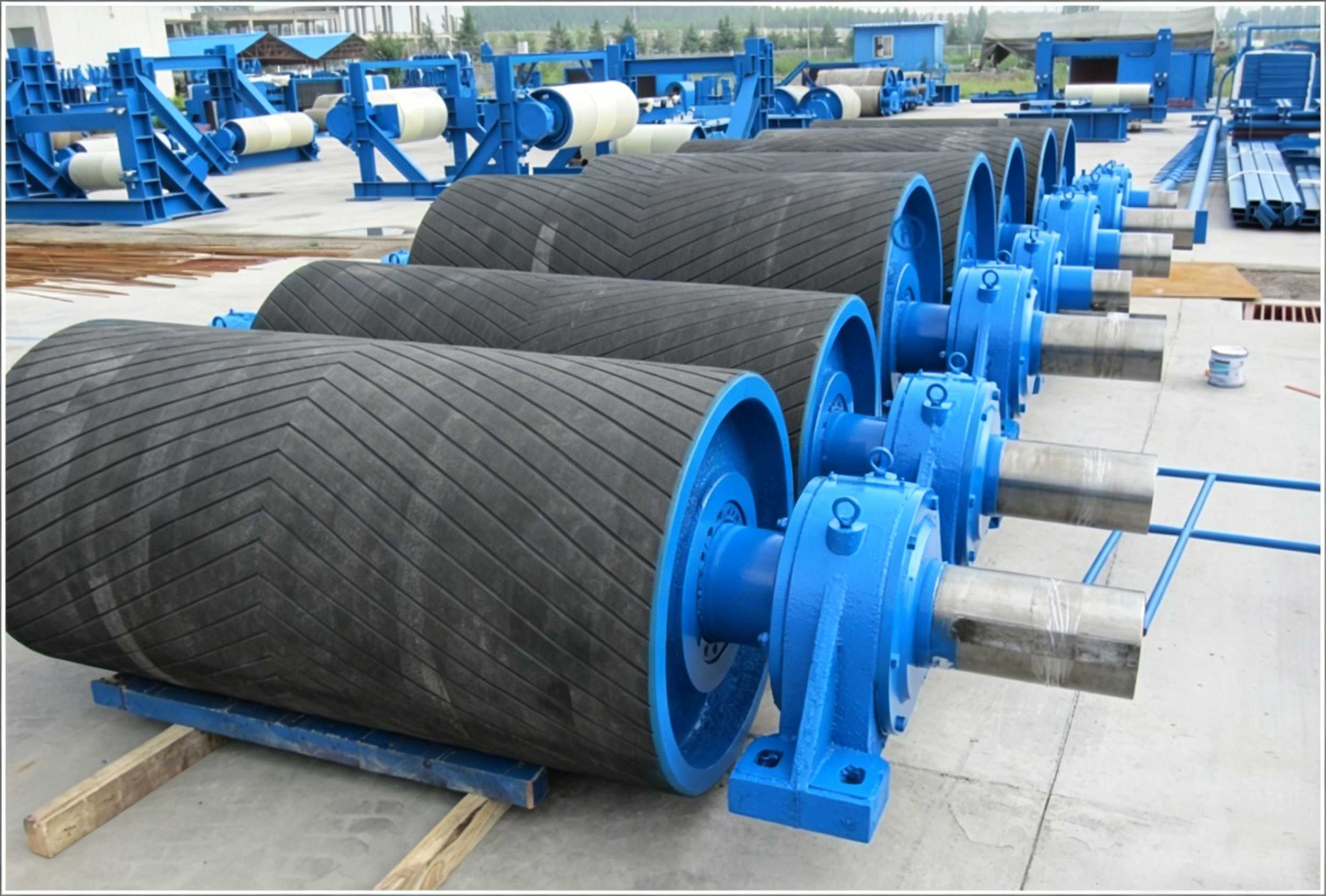
The main types of idler rollers are as follows: metal idler rollers, cushion idler rollers and polymer idler rollers. These are described below.
I. Metal Idlers
Good strength and wear resistance
Metal idlers possess high strength and wear resistance. They are capable of withstanding harsh working environments and heavy loads.
Various structural designs
Metal idlers come in a variety of structural designs, primarily including the following types:
Flat idlers
Trough idlers
Self-aligning idlers
These different structures can meet various material conveying requirements.
II. Buffer Rollers
Installed at the receiving end
Buffer rollers are a crucial component installed at the receiving end of a belt conveyor.
Primary function is to reduce impact
The primary function of buffer rollers is to reduce the impact on the conveyor belt caused by falling material. This effectively protects the conveyor belt and extends its service life.
Unique Structural Design
Buffer idlers typically feature a unique structural design. They utilise cushioning elements such as rubber rings and springs to absorb the energy generated by the impact of the material. Buffer idlers generally consist of the following components: the roller body, bearings, seals and the cushioning mechanism.
Material Selection
In terms of material selection, the roller body of a shock-absorbing idler is usually made of steel to ensure sufficient strength. The shock-absorbing section, on the other hand, is typically made of highly elastic, wear-resistant rubber.
Importance to Conveyors
The performance and quality of shock-absorbing idlers are of great significance in improving the operational reliability of belt conveyors and reducing maintenance costs.
III. Polymer Idlers
Manufactured from polymer materials
Polymer idlers are idlers manufactured using polymer materials. The application of this type of idler has become increasingly widespread in recent years.
The excellent properties of polymer materials
Polymer materials possess the following excellent properties:
Lightweight
Wear-resistant
Corrosion-resistant
Self-lubricating
These properties give polymer idlers numerous advantages during operation.
Advantages over metal idlers
Compared to traditional metal idlers, polymer idlers are lighter in weight. This helps to reduce the load on the entire conveying system and lower energy consumption. Their excellent wear and corrosion resistance enable them to operate stably for long periods in harsh working environments. This reduces the frequency of maintenance and replacement, thereby lowering operating costs.
Benefits of self-lubricating properties
Furthermore, the self-lubricating properties of polymer idlers reduce the need for lubricating grease. This simplifies maintenance and minimises the potential for environmental pollution.
Part Four: Applications of Idlers
The wide range of idlers manufactured by our company has a broad scope of application. They are used in belt conveyors across the following industries:
Paper mills, metallurgy, coal, steel, mining, power generation, hydroelectric power stations, chemical plants, light industry, ports, cement plants, petroleum and other industries.
Summary
The above outlines several common types of idlers, including metal idlers, cushion idlers and polymer idlers. Each type of idler has its own characteristics and suitable applications. Selecting the appropriate type of idler can effectively improve the operational efficiency of belt conveyors, reduce maintenance costs and extend the service life of the equipment. Our company manufactures various idlers in strict accordance with standards, guaranteeing product quality and service life. We welcome enquiries and orders from our customers.