How Much Do You Know About Belt Conveyor? Basics Guide
What is a belt conveyor?
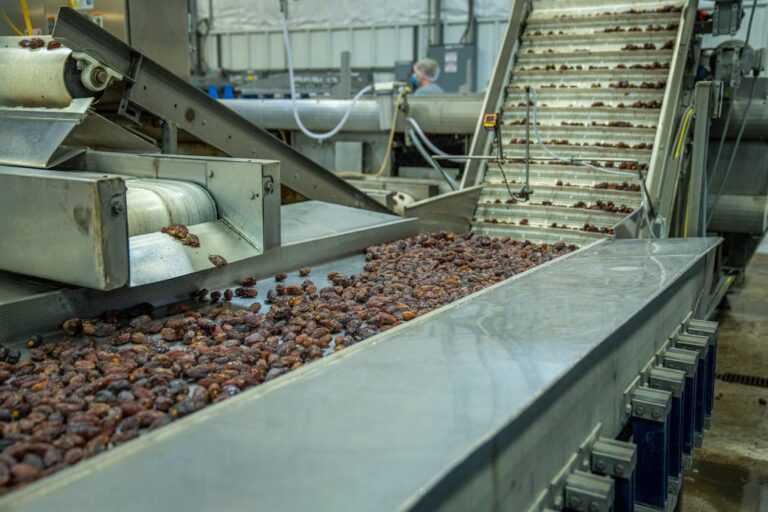
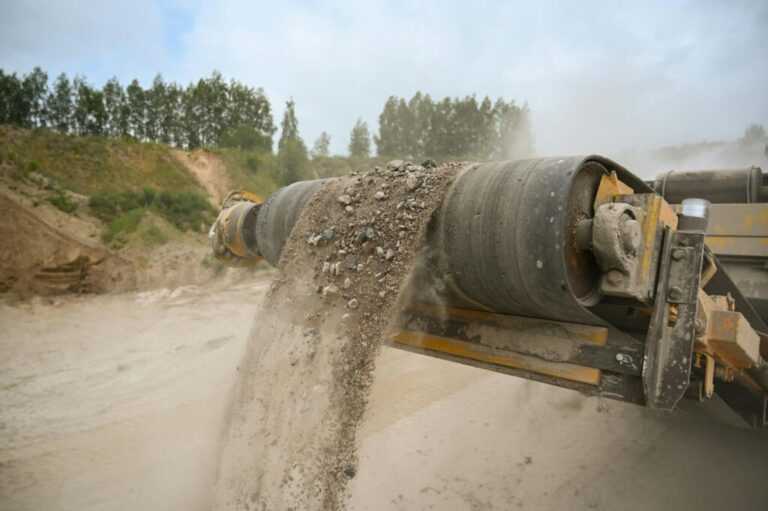
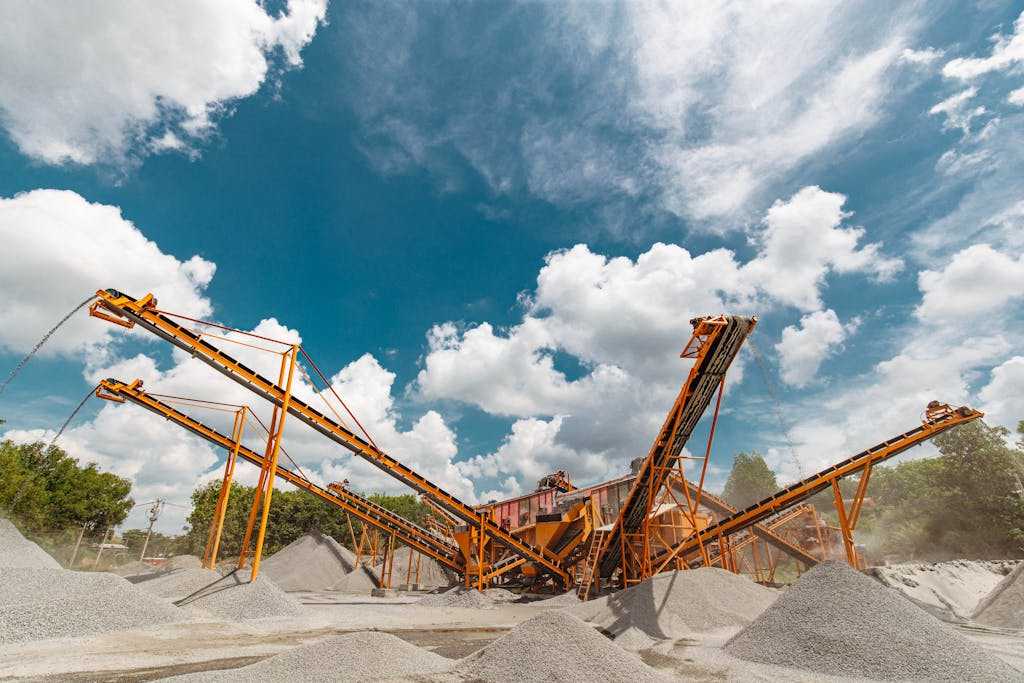
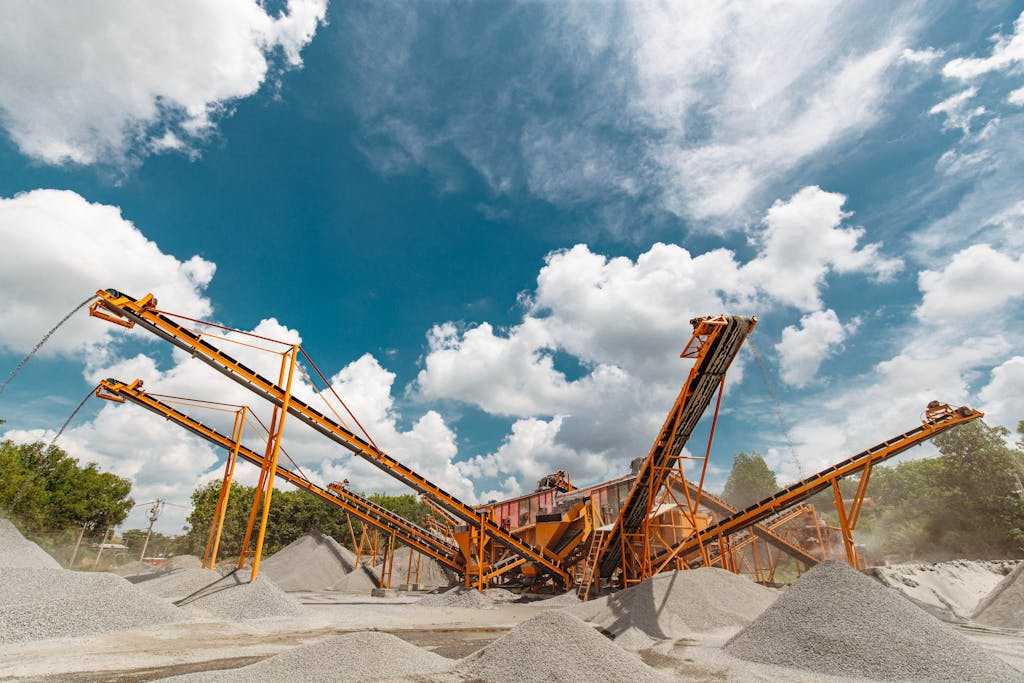
A belt conveyor is a type of transport equipment found in many industries. Its advantages include high throughput, simple structure, ease of maintenance and standardised components. Belt conveyors transport items of various weights and sizes through the continuous or intermittent movement of the conveyor belt. They can handle both bulk materials (such as grain, pulverised coal and sand) and individual items of relatively light weight, such as cartons and sacks. Consequently, belt conveyors have a very wide range of applications.
Part One: Selection of Materials for Conveyor Belts
Common materials: PVC, PU, etc.
Common materials used for conveyor belts include PVC (polyvinyl chloride), PU (polyurethane) and various other materials. These materials can meet the requirements of different materials.
Conveyor Belts with Specialised Properties
In addition to conveying standard materials, conveyor belts can also feature specialised properties, such as oil resistance, corrosion resistance and anti-static properties. These specialised materials are suitable for material handling scenarios with specific requirements.
Food-Grade Conveyor Belts
The use of dedicated food-grade conveyor belts can also meet the requirements of industries such as food, pharmaceuticals and daily chemical products. These conveyor belts are safe and hygienic, making them suitable for contact with food or medicines.
Overall Advantages of Belt Conveyors
In summary, belt conveyors feature a simple structure, are easy to maintain, consume relatively little energy, and have low operating costs.
Part Two: Components of a Belt Conveyor
Component 1: Power and Transmission System
There are two common configurations for the power and transmission system of a belt conveyor: one utilises an electric drum (where the motor and drum are integrated into a single unit), whilst the other employs a gearbox coupled with a motor (where the two are installed separately).
Component 2: Frame
The frame forms the skeleton of the belt conveyor and is typically assembled by welding angle steel and channel steel. Its function is to support all other components.
Component 3: Idlers
Idlers are divided into upper and lower idlers. Upper idlers (load-bearing idlers) are usually grooved to support the conveyor belt and the material; lower idlers (return idlers) are generally flat idlers, used to support the return section of the conveyor belt.
Component 4: Conveyor Belt
The conveyor belt is the core component of the belt conveyor and is where the material is directly placed and transported.
Component 5: Tensioning Device
The tensioning device is used to tighten the conveyor belt and prevent slippage. Common tensioning devices include: vertical tensioning, tail spiral tensioning, and carriage-type tensioning.
Component 6: Loading and Unloading Devices
The loading device is responsible for placing material onto the conveyor belt, whilst the unloading device is responsible for removing material from the conveyor belt.
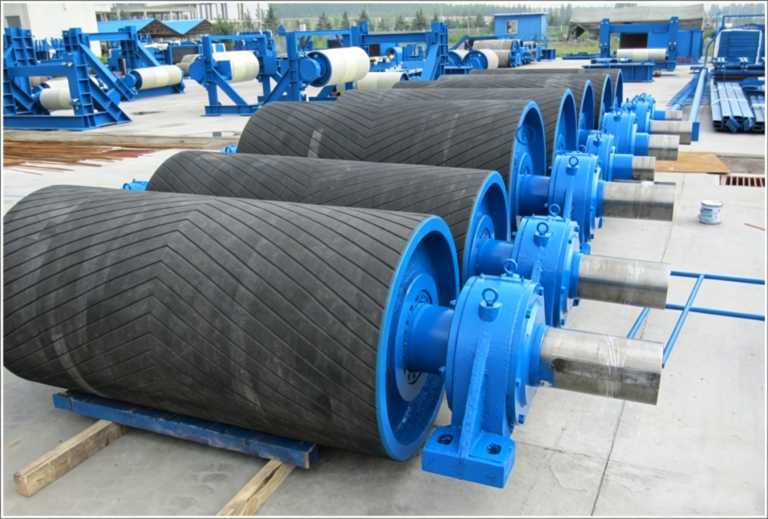
Component 7: Tail Return Drum
The function of the tail return drum is to alter the direction of the conveyor belt’s movement, enabling the belt to form a closed loop.
Special Note: Belt Splicing is of Paramount Importance
Of all the components in a belt conveyor, the conveyor belt is the most critical and also the most susceptible to damage. The splicing of the conveyor belt is a crucial process that must be carried out with the utmost care.
Conclusion
As can be seen from the above description, the belt conveyor is a transport device with a simple structure and comprehensive functionality. It comprises multiple components, including the power transmission system, frame, idlers, conveyor belt, tensioning device, loading and unloading devices, and the tail return roller. Among these, the conveyor belt is the most critical component, and the quality of the belt joint bonding directly affects whether the belt conveyor can operate normally. We hope this brief introduction will help you gain a better understanding of belt conveyors.