Ammonia-based desulphurisation technology
Product Details

I. Overview

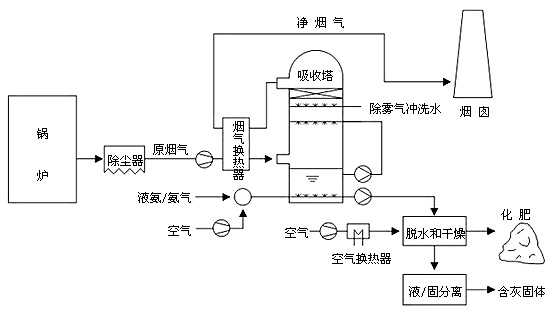
The ammonia desulphurisation process utilises liquid ammonia or ammonia water to remove SO₂ from flue gas, whilst simultaneously producing high-quality ammonium sulphate [(NH₄)₂SO₄]. This technology is particularly well-suited for the removal of SO₂ from flue gases in large-scale thermal power generation units and chemical plants that burn low-cost, high-sulphur fuels. By utilising waste ammonia for desulphurisation whilst producing high-quality, high-purity ammonium sulphate, it is gradually becoming the mainstream technology for the circular economy and comprehensive utilisation of flue gas desulphurisation in large-scale projects.

II. Characteristics of the Ammonia Desulphurisation Process
(1) Technologically mature: This ammonia desulphurisation technology is designed for flue gas volumes typical of 500 MW-class power plants.
(2) The desulphurisation tower is resistant to scaling.
(3) It offers strong adaptability to variations in fuel sulphur content, particularly for the desulphurisation of high-sulphur coal, high-sulphur heavy oil and high-sulphur petroleum coke, with no secondary pollution.
(4) The by-product, ammonium sulphate, has a wide range of applications.
(5) Low NH₃ escape rate, ≤10 ppm.
(6) High desulphurisation efficiency, easily achieving levels generally exceeding 95%.
(7) Simple system design.
⑻ Compact equipment footprint.
⑼ High utilisation rate of the absorbent.
⑽ Turns waste into a valuable resource; the sale of by-products yields significant economic benefits.

III. Scope of Application

⑴ New or retrofitted medium-to-large power generation units of 50 MW and above;
⑵. Desulphurisation of municipal gas plants;
⑶. Fuels with a sulphur content of 0.5% to 5% or higher;
⑷. Process desulphurisation in oil refineries;
⑸. Applications requiring a desulphurisation efficiency of 95% or higher;
⑹. Facilities located in areas with synthetic ammonia production plants in the vicinity;
⑺. Power stations in saline-alkali regions.
Related Products

Dry desulphurisation technology

Dry desulphurisation technology Product Details I. Overview The Recirculating Circulating Fluidised Bed Flue Gas Desulphurisation (RCFB-FGD) process is an advanced dry flue gas desulphurisation process based on the principles of circulating fluidised bed technology. This process utilises dry slaked lime powder (Ca(OH)₂) as the absorbent. Through multiple recirculations of the dry powdered absorbent, it comes…

Magnesium-based desulphurisation technology

Magnesium-based desulphurisation technology Product Details The desulphurisation mechanism of magnesium oxide is similar to that of calcium oxide: in both cases, the alkaline oxide reacts with water to form a hydroxide, which then undergoes an acid-base neutralisation reaction with the sulphurous acid solution formed when sulphur dioxide dissolves in water. The reaction of magnesium oxide…

Desulphurisation and Dust Removal Unit (HNT Series Integrated Dust Removal and Desulphurisation Equipment)

Desulphurisation and Dust Removal Unit (HNT Series Integrated Dust Removal and Desulphurisation Equipment) Product Details Introduction to the HNT Series Desulphurisation and Dust Removal Unit: The HNT Series Integrated Dust Removal and Desulphurisation Equipment (Desulphurisation and Dust Removal Unit) is an environmental protection device that combines dust removal with the purification of harmful gases. Designed…

Limestone/lime–gypsum desulphurisation process

Limestone/lime–gypsum desulphurisation process Product Details I. Technical Principles Flue gas enters the wet absorption tower of the desulphurisation unit, where it comes into counter-current contact with droplets of alkaline limestone slurry sprayed from top to bottom. The acidic oxide SO₂ and other pollutants, such as HCl and HF, are absorbed, thereby purifying the flue gas;…

Double-alkali desulphurisation process

Double-alkali desulphurisation process Product Details Overview of the Double-Alkali Desulphurisation Process The calcium-sodium double-alkali process involves first using a sodium-based alkaline absorbent solution to desulphurise flue gas, followed by the regeneration of the desulphurisation solution using lime powder. As the entire reaction takes place in the liquid-gas phase, this process avoids scaling issues within the…