How to Prevent Belt Conveyor Belt Tear: Causes and Fixes
- Part One: Main Causes of Belt Tears in Belt Conveyors
- Part Two: Measures to Prevent and Control Belt Tears in Belt Conveyors
- Conclusion and Recommendations
The role of belt conveyors in the grain industry
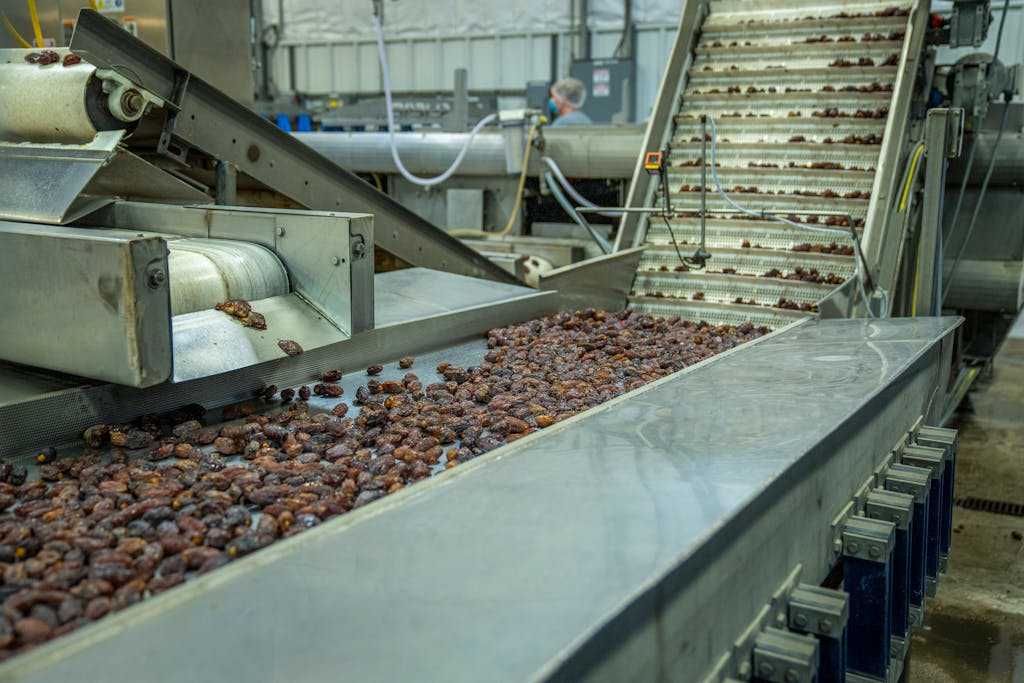
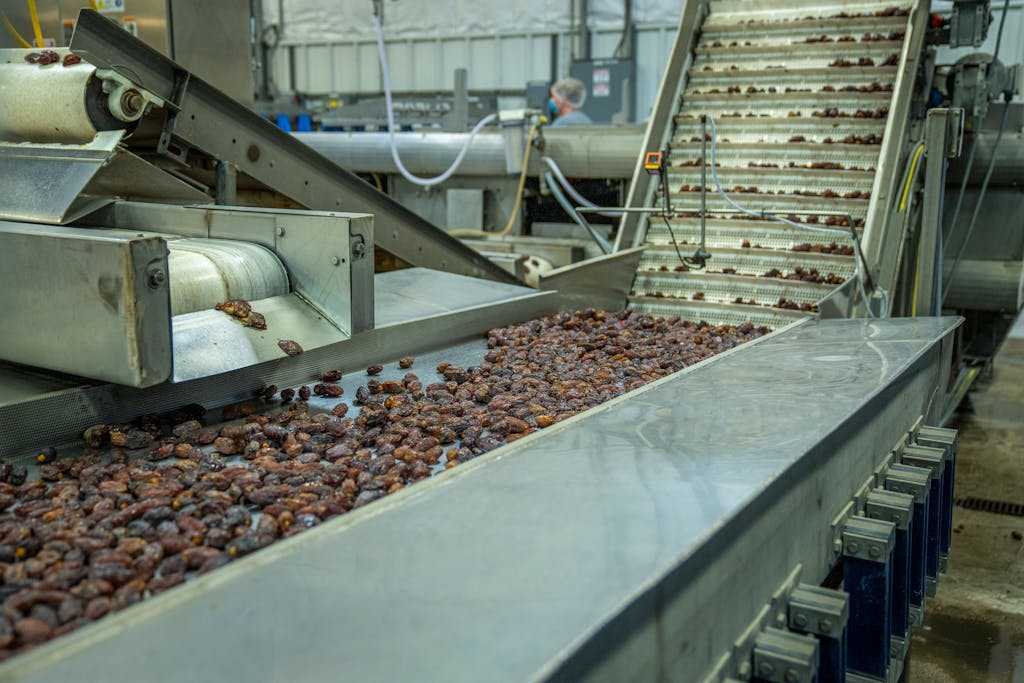
Belt conveyors are indispensable equipment in the grain industry. With the development of industrialisation in China, the grain industry has grown rapidly, and belt conveyors have played a vital role in this growth. Not only do they save on labour, but they also improve operational efficiency. However, the component of a belt conveyor most prone to failure is the ‘belt’. Under the strain of high-intensity work and prolonged operation, the belt is prone to breaking, thereby affecting the overall production efficiency of the grain enterprise. Furthermore, other causes of belt damage include punctures from foreign objects, equipment malfunctions and operational errors.
Part One: Main Causes of Belt Tears in Belt Conveyors
The Belt: The Weakest Link in a Belt Conveyor
Overall, the belt is indeed the most vulnerable part of a belt conveyor, whilst also bearing the greatest amount of stress. During operation, the belt must withstand not only external forces but also internal tensile forces. As grain processing enterprises expand and workloads increase, belt conveyors—as key equipment—are prone to failure under these multifaceted pressures.
Three Common Types of Belt Tears
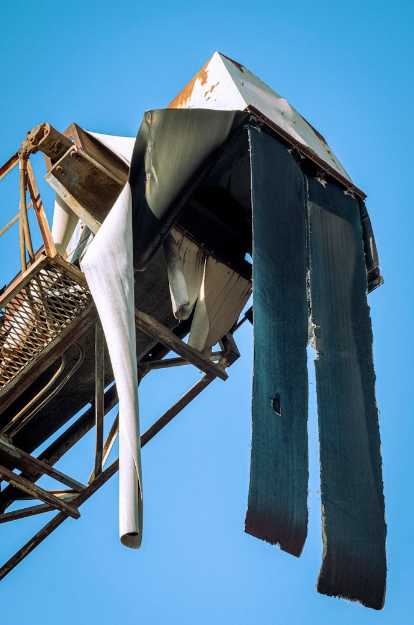
There are three common types of belt tears: transverse tears and longitudinal tears. There is also a rare occurrence known as steel cord breakage. Although steel cord breakage is uncommon, it is also classified as a type of belt tear.
1.1 Causes of Transverse Belt Tears
How Transverse Tears Occur
The primary cause of transverse tears is belt misalignment. When the conveyor belt becomes misaligned, lateral forces are generated during operation. For instance, during the loading or unloading of grain, the belt may be snagged, causing it to shift towards the loading or unloading side.
Misalignment leads to uneven stress distribution
Once the belt deviates, its path drifts away from the centre of the conveyor frame, resulting in uneven stress distribution. When lateral tensile forces are uneven, the belt will tear, thereby affecting the conveyor’s operational performance.
Lateral tears can be detected in advance
The good news is that there is a considerable time lag between the belt beginning to deviate and an actual lateral tear occurring. Operators have ample time to detect belt misalignment and make timely corrections, thereby effectively preventing lateral tearing.
1.2 Causes of Longitudinal Belt Tearing
Longitudinal tearing is more common
Compared to lateral tearing, longitudinal tearing is a more common occurrence. During operation, sharp objects can cause continuous damage to the belt, eventually leading to punctures.
Sharp objects mixed into the grain are the primary cause
In grain processing operations, sharp objects (such as metal fragments or hard stones) are sometimes inadvertently mixed into the grain by staff. These sharp objects severely impair the performance of the belt conveyor, resulting in longitudinal tears.
1.3 Causes of steel cord breakage
Steel cord breakage is rare
Steel cord rupture occurs only in very rare instances, with two primary causes.
Cause 1: Poor quality of the belt itself
The first cause is a quality issue with the belt itself. During operation, the grain itself causes continuous wear to the belt. When the degree of wear reaches the belt’s breaking point, the belt will rupture.
Cause 2: Impact-induced rupture after the steel cord is exposed
The second cause is the fracture of the steel core within the belt. The steel core is the central component of the entire belt; it can be understood as the ‘bone’, whilst the belt surface is the ‘skin’. During operation, the steel core becomes exposed as the belt surface wears away. When large materials strike the exposed steel core, it fractures.
Part Two: Measures to Prevent and Control Belt Tears in Belt Conveyors
Prevention and control must begin with the belt itself
Belt tears—whether transverse, longitudinal or steel cord breakage—are all issues arising from the belt itself. Therefore, effective preventive measures must naturally start with the belt itself.
Inspection work can be carried out in two areas
According to data from relevant inspection bodies, belt inspection can be approached from two angles: firstly, monitoring the belt’s stress conditions and variations; secondly, monitoring changes in the belt’s width.
2.1 Monitoring the Belt’s Stress Conditions and Variations
Changes in stress are a key indicator of tearing
Analysis of transverse tearing reveals that changes in the belt’s stress points are a major factor leading to tearing. As conveyor belts are of vital importance to belt conveyors and grain processing enterprises, any tearing will directly affect the operational status of the belt conveyor and the efficiency of the grain processing enterprise.
Using sensors to monitor stress conditions
Therefore, the prevention and control of belt tearing is essential. Technicians can install sensors on the belt idlers to monitor the stress conditions of the belt.
Sensors can detect anomalies in a timely manner
Based on the data provided by the sensors, the stress status of the belt can be monitored at all times. Should there be a significant change in the belt’s stress status, staff can be immediately alerted and carry out repairs or replacements in a timely manner.
2.2 Monitoring Changes in Belt Width
Changes in belt width can also lead to tearing
Changes in belt width are another factor contributing to belt tearing. Consequently, monitoring the belt’s width is of great importance.
Using ultrasonic technology to monitor belt width
Advanced technologies, such as ultrasonic testing, can be utilised to monitor changes in belt width. Ultrasonic testing offers the advantage of being unaffected by the presence of tears, allowing for a comprehensive assessment of both the internal and external quality of the belt.
Ultrasonic testing is highly efficient
Ultrasonic testing allows for the rapid and accurate identification of belt quality issues, enabling timely preventive measures to be taken. This effectively enhances the operational performance of belt conveyors and the overall efficiency of grain processing enterprises.
Conclusion and Recommendations
Belt conveyors perform well during normal operation
Based on observations of belt conveyors, grain processing enterprises have rated their performance highly under normal operating conditions. However, should any issues arise with the conveyor belt, the resulting losses and impact are considerable.
The importance of belt inspection and preventative measures
Therefore, to effectively improve operational efficiency within grain processing facilities and the performance of belt conveyors, it is essential to carry out inspections and implement preventative measures against belt tearing. Only by doing so can the adverse effects of belt tearing on belt conveyors be avoided, ensuring their long-term and stable operation.