Calcium-Sodium Double-Alkali FGD for Flue Gas
Product Details
Overview of the Double-Alkali Desulphurisation Process
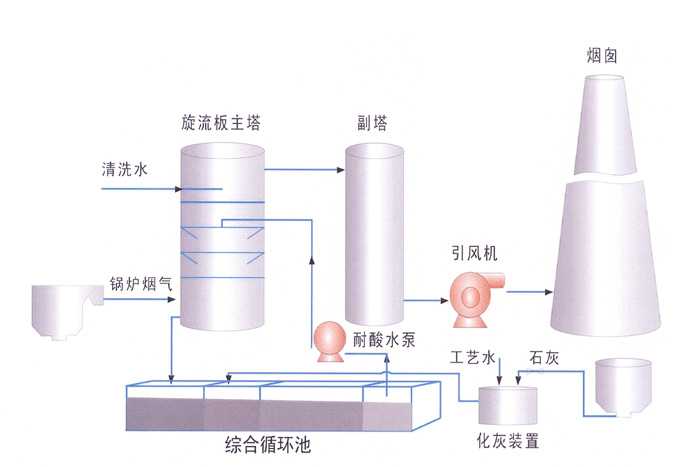
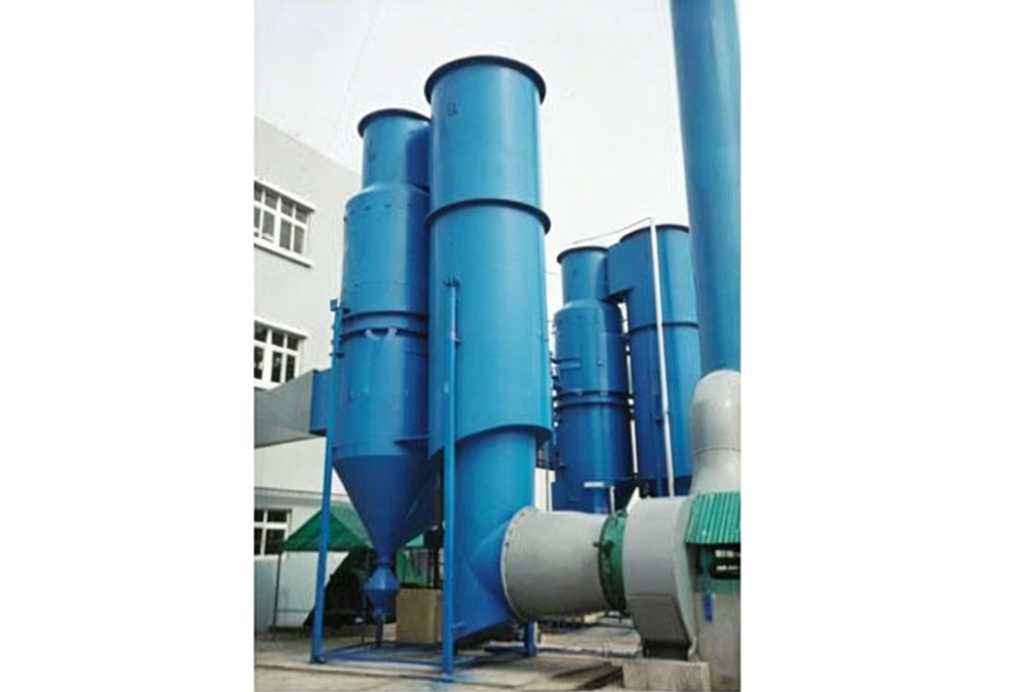
The calcium-sodium double-alkali process involves first using a sodium-based alkaline absorbent solution to desulphurise flue gas, followed by the regeneration of the desulphurisation solution using lime powder. As the entire reaction takes place in the liquid-gas phase, this process avoids scaling issues within the system. Furthermore, it offers a high absorption rate, a low liquid-to-gas ratio, high absorbent utilisation, lower capital expenditure and reduced operating costs.
Characteristics of the Double-Alkali Desulphurisation Process
- Desulphurisation is carried out using NaOH (Na₂CO₃). The desulphurisation solution consists primarily of an aqueous solution of NaOH (Na₂CO₃), which minimises corrosion, scouring and blockages in pumps, pipes and equipment during the circulation process, thereby facilitating equipment operation and maintenance.
- Sodium-based absorbent solutions react rapidly with SO₂, allowing for a lower liquid-to-gas ratio and achieving high desulphurisation efficiency, typically ≥90%.
- Both the regeneration of the desulphurising agent and the formation of desulphurisation precipitates occur within the tower, preventing blockages and wear inside the tower. This enhances operational reliability and reduces operating costs.
- The desulphurisation tower employs an open-tower spray design, offering high operational reliability, a low incidence of incidents, and low tower resistance (△P ≤ 600 Pa).
Scope of Application for Double-Alkali Desulphurisation Technology
This method is primarily used to remove SO₂ from gases. It is suitable for the desulphurisation of boiler flue gas, coke oven gas, and waste gases from boiler production.
Related Products
Wet Limestone-Gypsum FGD Process for High Efficiency Product Details I. Technical Principles Flue gas enters the wet absorption tower of the desulphurisation unit, where it comes into counter-current contact with droplets of alkaline limestone slurry sprayed from top to bottom. The acidic oxide SO₂ and other pollutants, such as HCl and HF, are absorbed, thereby…
Circulating Fluidized Bed Dry FGD for Power Boilers Product Details I. Overview The Recirculating Circulating Fluidised Bed Flue Gas Desulphurisation (RCFB-FGD) process is an advanced dry flue gas desulphurisation process based on the principles of circulating fluidised bed technology. This process utilises dry slaked lime powder (Ca(OH)₂) as the absorbent. Through multiple recirculations of the…
Cost-Effective Magnesium FGD with High Efficiency Product Details The desulphurisation mechanism of magnesium oxide is similar to that of calcium oxide: in both cases, the alkaline oxide reacts with water to form a hydroxide, which then undergoes an acid-base neutralisation reaction with the sulphurous acid solution formed when sulphur dioxide dissolves in water. The reaction…
Desulphurisation and Dust Removal Unit (HNT Series Integrated Dust Removal and Desulphurisation Equipment) Product Details Introduction to the HNT Series Desulphurisation and Dust Removal Unit: The HNT Series Integrated Dust Removal and Desulphurisation Equipment (Desulphurisation and Dust Removal Unit) is an environmental protection device that combines dust removal with the purification of harmful gases. Designed…
Ammonia-based desulphurisation technology Product Details I. Overview The ammonia desulphurisation process utilises liquid ammonia or ammonia water to remove SO₂ from flue gas, whilst simultaneously producing high-quality ammonium sulphate [(NH₄)₂SO₄]. This technology is particularly well-suited for the removal of SO₂ from flue gases in large-scale thermal power generation units and chemical plants that burn low-cost,…

 English
 العربية
 Português do Brasil
 Русский
 Español